Category: "family/personal"
2021 in Books
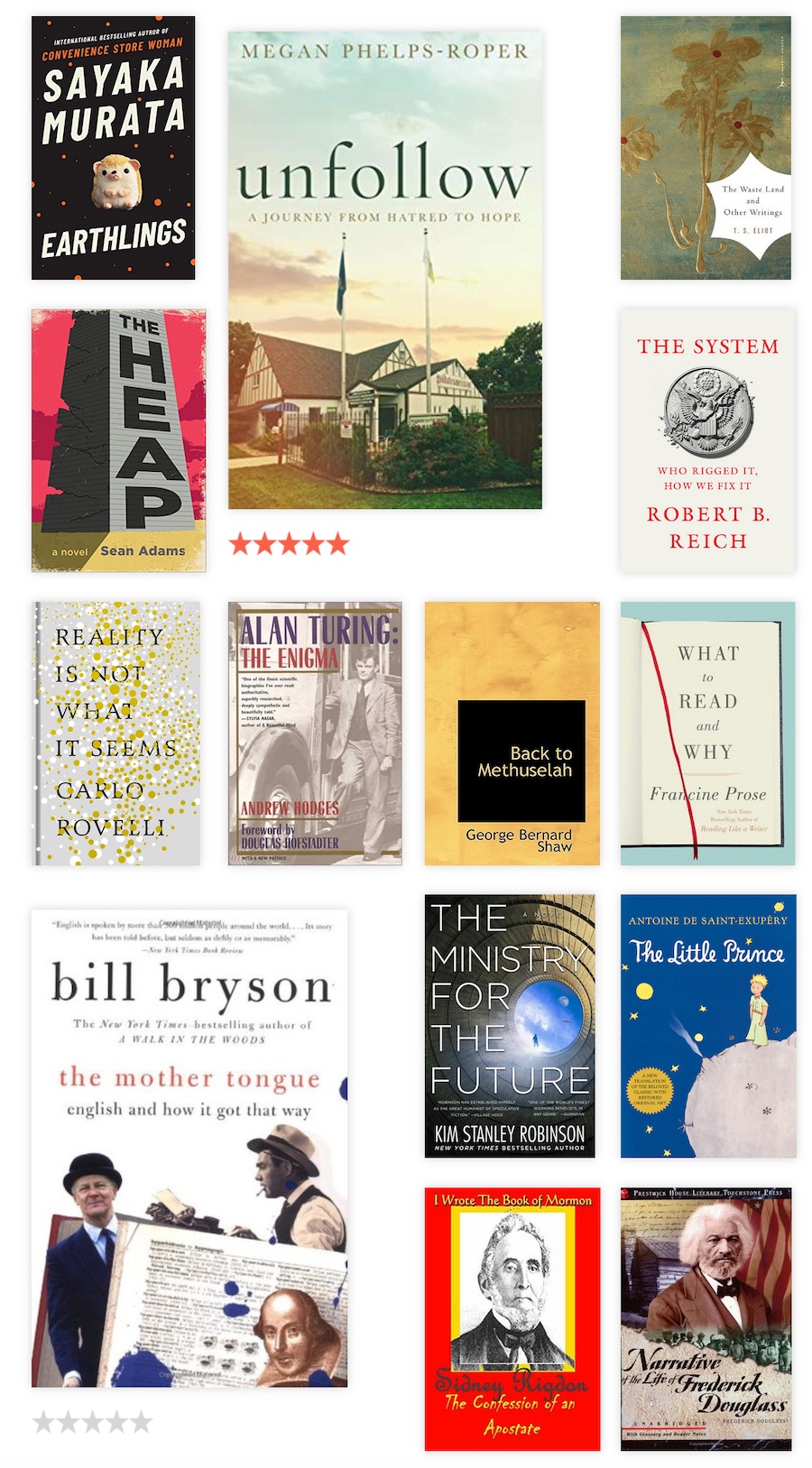
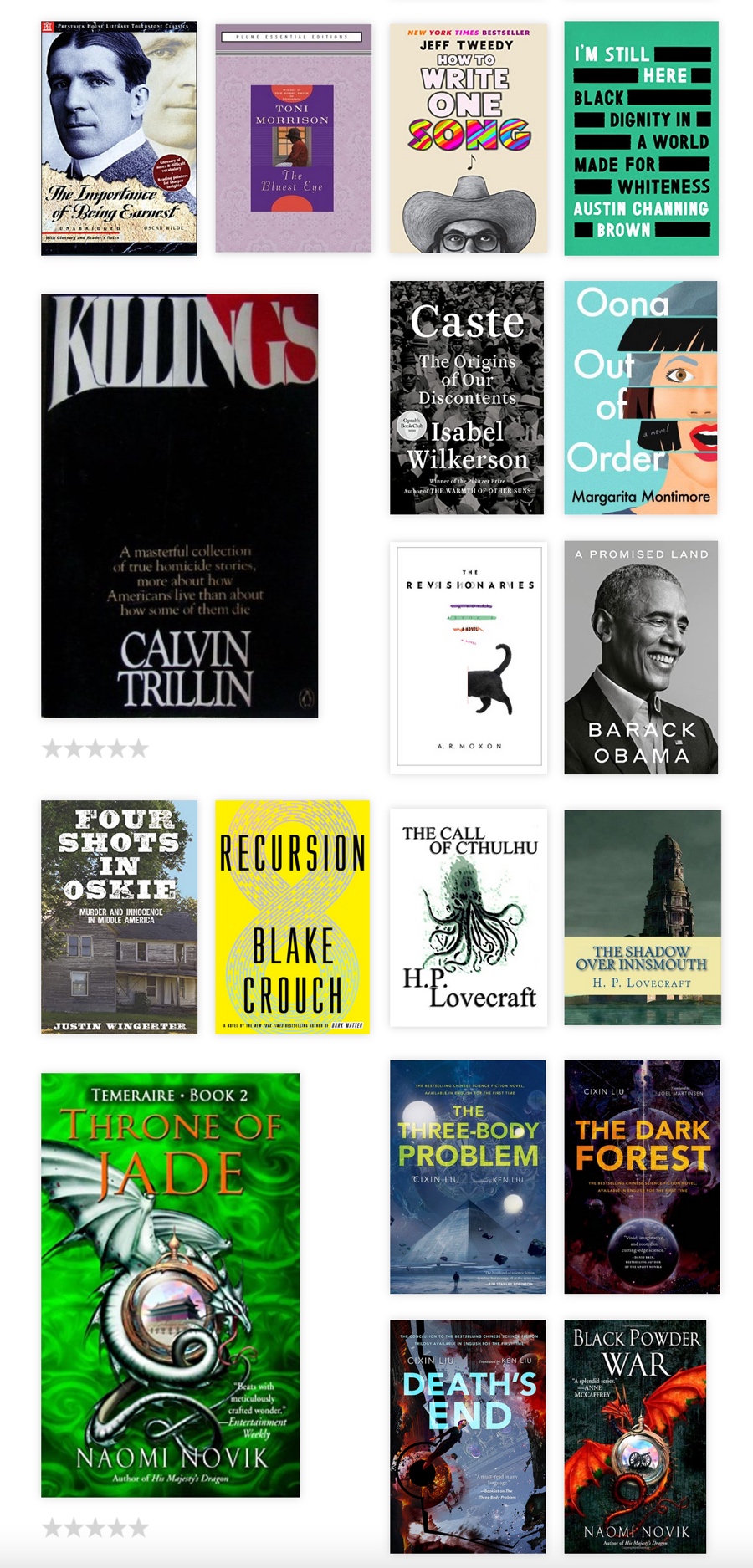
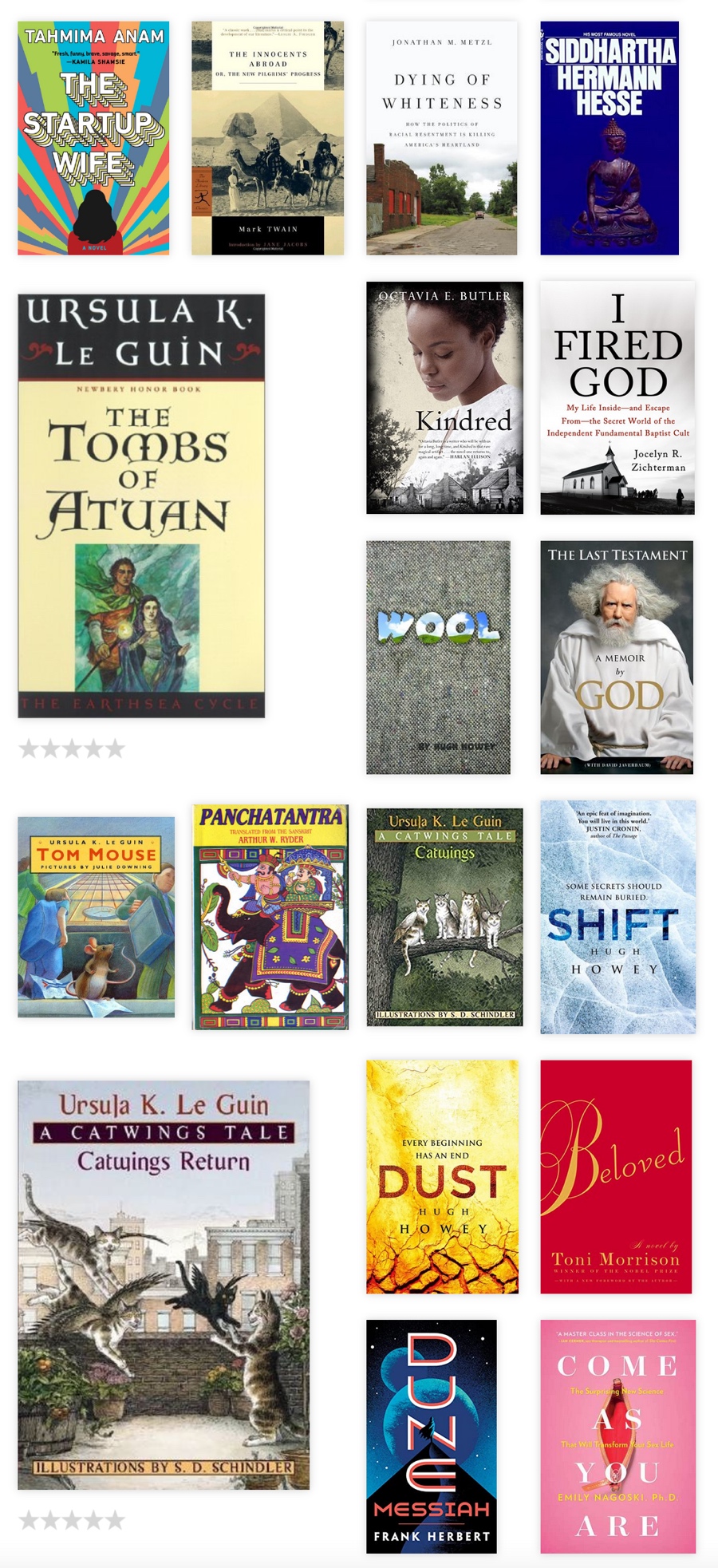
In 2021, I read 50 books. Three of those are children's books, which I wouldn't normally log, but I'm trying to read every published work of Ursula Le Guin, so I need to log them all. I wish I'd started reading Toni Morrison sooner.
Job Dreaming
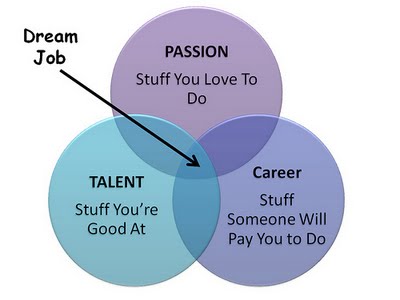
If you asked me to describe my dream job, here are some things I would include:
Makes the world a better place
You only live once, and I want to spend my career doing something important. I'm not just in it for a paycheck, I want my work to make the world a better place. Three areas that I've thought a lot about are science, education and politics. I would much rather work in one of these than just helping a company sell widgets.
A fresh start
My seven years as a web developer have focused on maintaining legacy code. That means someone else wrote the app, making the decisions (and mistakes) that I have to live with every day. I've tried to keep up with new methods for programming, but they're hard to bolt on to an existing app with spaghetti code inside. Starting a project for scratch means I can do it right from the beginning (or at least I can make my own mistakes).
Working in a team
I've telecommuted 100% of the time for the last 5 years. I loved avoiding the long drive to work, but it got lonely at times. Worse than that, I was the only PHP developer in the company, so I didn't have anyone to bounce ideas off of and learn from. Working with other developers would be ideal, though I would still want to have some creative control.
At least some telecommuting
Spending two hours a day in the car is a real drag. I've done it before. While there are advantages to spending some time in the office with the rest of the team, I would prefer to do most of my work in the quiet of my home office.
Benefits
Working as an independent contractor has its upsides, but it also meant that I got no benefits from my job and no paid time off. The ideal job would include generous benefits, vacation and sick time.
A bitchin' computer
I'm currently using a 2010 iMac with a 27" display. I love it, but as long as I'm dreaming, the ideal job would provide me with the latest and greatest Mac. The Macbook Pro recently got updated and now includes a retina screen and a lighting fast SSD instead of a hard drive. That should do nicely.
The job I started this month fulfills all of these requirements. I'm a software application developer for the National Higher Education Benchmark Institute. It's part of Johnson County Community College in Overland Park, and it exists to collect data from community colleges around the country and create reports and analysis for colleges and policy makers. We work to help make education more cost-effective. Given the importance of education to the future of the world and the budget difficulties faced by educators and students, this seems to fit my first requirement. I have a real chance of making the world a better place.
I will get to create a project from scratch, assembling state-of-the-art tools rather than battling with legacy code. The project I was hired for is called Maximizing Resources for Student Success and it is funded by a grant from the Bill and Melinda Gates Foundation.
I will be working with a team that includes other developers and researchers. So far they all seem like interesting and talented folks. And the atmosphere on a college campus is nice, too. I love how I can walk through the halls and hear different languages being spoken.
Though I'll drive to the office for the first few months, the plan is for me to telecommute three days a week after that. This should be a good mixture of concentrated coding sessions and team interaction. I think I can handle the drive twice a week.
The JCCC benefits are by far the best I've ever been offered. Health, dental, vision, retirement, KPERS (Kansas Public Employee Retirement System, I'll be vested in 5 years), federal holidays, paid Xmas break, vacation, personal days and sick days.
Oh, and the SSD and retina equipped Macbook Pro is gorgeous. The fact that it was purchased with Bill Gates' money is a funny little bonus.
The Longest Night
 Last night was the Winter Solstice, a natural holiday that humans have celebrated for millennia. It's the point in our orbit around the sun when the northern hemisphere is tilted away from the sun at its highest angle (23° 26'). Winter Solstice marks the longest night of the year. Days have been getting shorter and nights have been getting longer since the Summer Solstice, but now that trend is reversed. Tomorrow night will be shorter than last night. We've turned the corner. Spring is coming!
This is reason to celebrate. There are still many cold nights before spring, but we've made it this far together. It's natural to feel down during these darkest weeks of the year, so we fight against that. My family will be cheering ourselves by basking in the warmth of a fireplace, lighting up the house, displaying that resilient creature, the evergreen tree, in our home, exchanging gifts, telling stories, eating sweets, singing songs, sipping intoxicating beverages, taking a break from work and school, visiting family and sharing extravagant meals.
Whatever you're celebrating this time of year, I wish you the best. From my family to yours: Merry Christmas, happy Solstice, happy holidays and a happy and prosperous New Year!
Old Home Movies: Jenny Brushing Teeth
I've been digitizing some old home movies and this is one of my all-time favorites. It's my kid sister, Jenny, on October 6, 1991. She's almost 3 years old and just goofing off in the bathroom sink, being cute.
[youtube]g5ozWMYWfn4[/youtube]
Election announcement
This April I will be running for the office of north ward alderman in Adrian, Missouri. Last spring I was appointed to serve the remainder of someone else's term, and now I am running for my own term. No one else filed for this office, so I am running unopposed.
The city has several projects going and I look forward to seeing them completed. Any day now we will be breaking ground on our water line replacement project. After that is complete (early this summer) we hope to begin some improvements of street surfaces. We are also looking at plans for expanding our water production plant. These infrastructure improvements are laying the groundwork for the next period of growth in Adrian.
I look forward to seeing these projects completed and if you live in my ward (north of Main Street) I would appreciate your vote this April.
Dad's New Toy
We went to visit my parents this afternoon and my dad pulled out his newest toy, a remote control boat:
[youtube]O_YBGdTJt7s[/youtube]
That thing is fast. I told him he should rig a line and lure on the back and and use it for fishing.
TMBG @ JJ 2009

We took Emma and a friend to the 2nd annual Jiggle Jam, a children's music festival headlined by They Might Be Giants. TMBG has been one of my favorite bands for over a decade and it's been great to see them expand into children's music. They've released three records for kids and the music is very good. Our whole family enjoys it. This was my 4th time seeing the band live, Sara's 3rd and Emma's 2nd. They were excellent as always. They even played a song from their next children's album, Here Comes Science, due out in September.
We had a great day. You can see some more pictures here. (I finally got around to updating the theme of my photo gallery to match the rest of my site.)
Emma's Latest Movie
I showed Emma how to use iStopMotion. She animated a short film and then we recorded some piano music for the soundtrack. Here's the finished product:
Emma's Piano Recital
Emma started piano lessons back in September. She has learned a lot in 8 months. This video is from her recital today:
[youtube]UuOFaVmsqG8[/youtube]
City council
Tonight I was sworn in as an Adrian city councilman. The mayor resigned a few months ago and one of the aldermen was acting as mayor. The council decided to appoint him as mayor and they needed someone to serve the rest of the alderman's term (about 14 months). I volunteered and the council appointed me. I went to every council meeting for around a year when I was helping out at the newspaper. I got familiar with the issues they were dealing with and became interested in the process.
Adrian is a town of around 2000 people and it's growing at a healthy pace. We're in the middle of building a new water plant. The city also owns a nursing home. This town has always been my home and probably always will be. It's a great place to live. I love it and I want it to succeed. I'm looking forward to serving.

Recent comments